
Long-Term Steel Ball Supply for EV Powertrain: IATF 16949 Traceability and FAQ
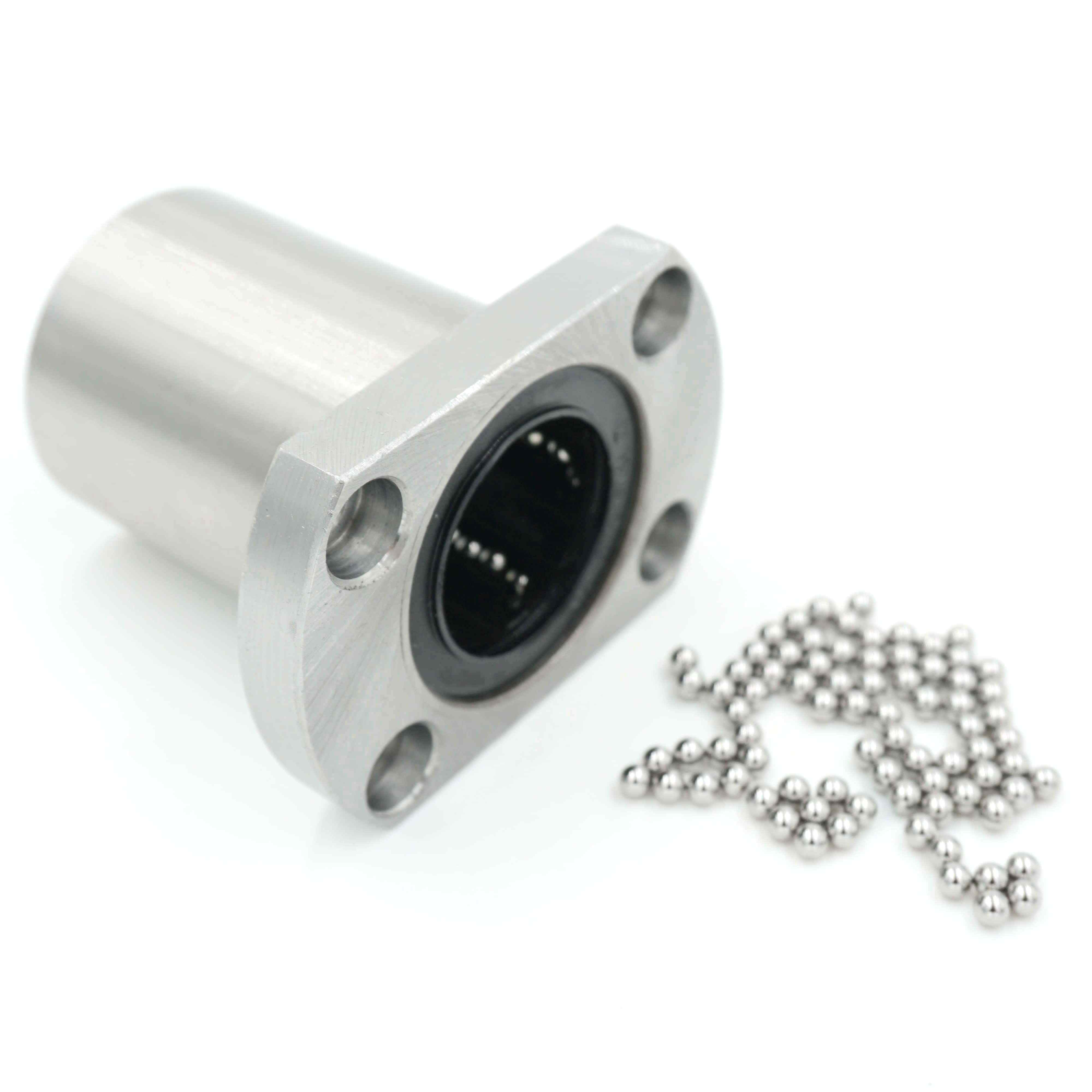
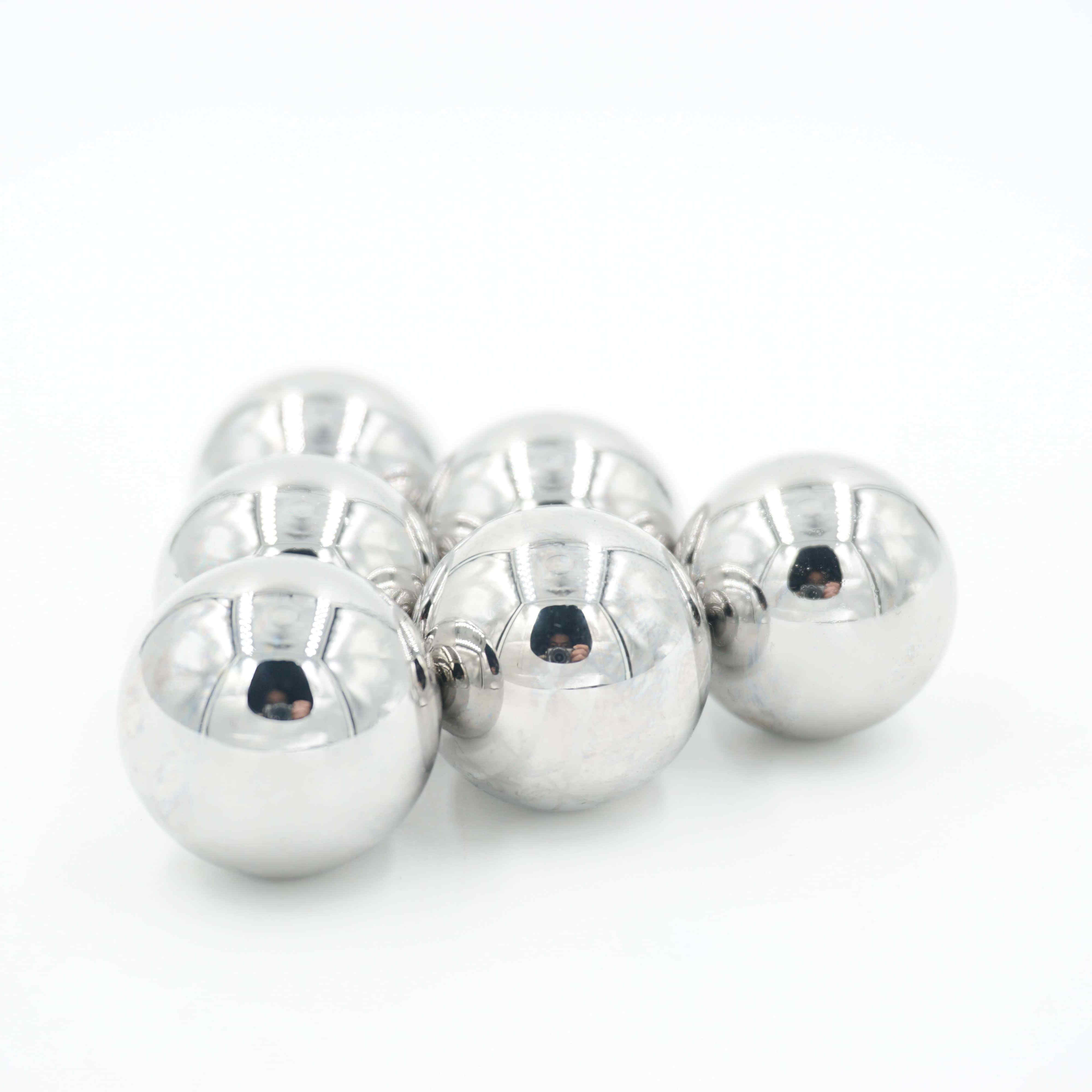
Long-term steel ball supply for an EV powertrain program is settled by four documented items rather than by a sample alone: the grade and material fixed on the drawing, the acceptance criteria and inspection records attached to every lot, the traceability chain behind the IATF 16949 certificate, and commercial terms that keep repeat shipments predictable for the life of the platform. For e-axle reduction gears, transmission bearings and wheel-hub bearings, the two product families that carry most of this discussion are chrome steel balls in Grade G10 to G1000, through-hardened to HRC 60–66 and made from AISI 52100 / DIN 100Cr6 / JIS SUJ2, and precision steel balls in Grade G3 to G25 held to sphericity within micro-inches. This guide sets out how those balls are specified, accepted and traced, and answers the commercial and compliance questions OEM purchasing and quality teams raise between research and supplier evaluation.
The Problem: A Qualified Sample Is Not a Supply Agreement
An EV reduction-gear or e-axle bearing runs at high rotational speed, is lubricated by oil bath or splash, and works through a temperature range of roughly −20 °C to 150 °C. Inside that envelope, three properties decide whether a bearing ball is acceptable: consistent ball diameter, a fatigue-life basis the bearing designer can use, and IATF 16949 traceability. Only the first of these is visible in a sample box.
A sample demonstrates what one lot looked like on one day. A platform program asks for the same evidence on every shipment for years, from the same drawing revision, with the same inspection method, and with records that a Tier-1 quality engineer can file without re-testing. That gap — between a good first lot and a repeatable supply stream — is the real subject of a long-term steel ball agreement, and it is what separates a price list from a purchasing contract.
There is also a boundary question that is often left unspoken during research and discovered during evaluation: who owns design validation. Under the certified scope described later in this article, the manufacturer is responsible for manufacture rather than product design, so print definition, bearing life calculation and application validation remain with the OEM or the Tier-1 bearing maker. A supplier can provide balls to a drawing and the records that prove conformity to it; the supplier cannot transfer design responsibility to itself by issuing a certificate.
Industry Background: Traceability Has Become a Purchasing Document
IATF 16949 is the automotive quality management system standard, and a certificate is evidence that a manufacturer's quality management system has been assessed against that standard. It is not a product specification, and it does not replace the drawing, the grade callout or the acceptance test. What has changed in bearing-ball procurement is where that certificate sits in the document set: it is now filed next to the material test report, the certificate of analysis and the lot code on the packaging, rather than standing alone as a marketing asset.
For a buyer, that shift has a practical consequence. The question is no longer “are you certified?” but “which certificate, issued by whom, covering which scope, valid until when, and which records does it generate per lot?” Those four answers can be checked, compared and written into a supplier file.
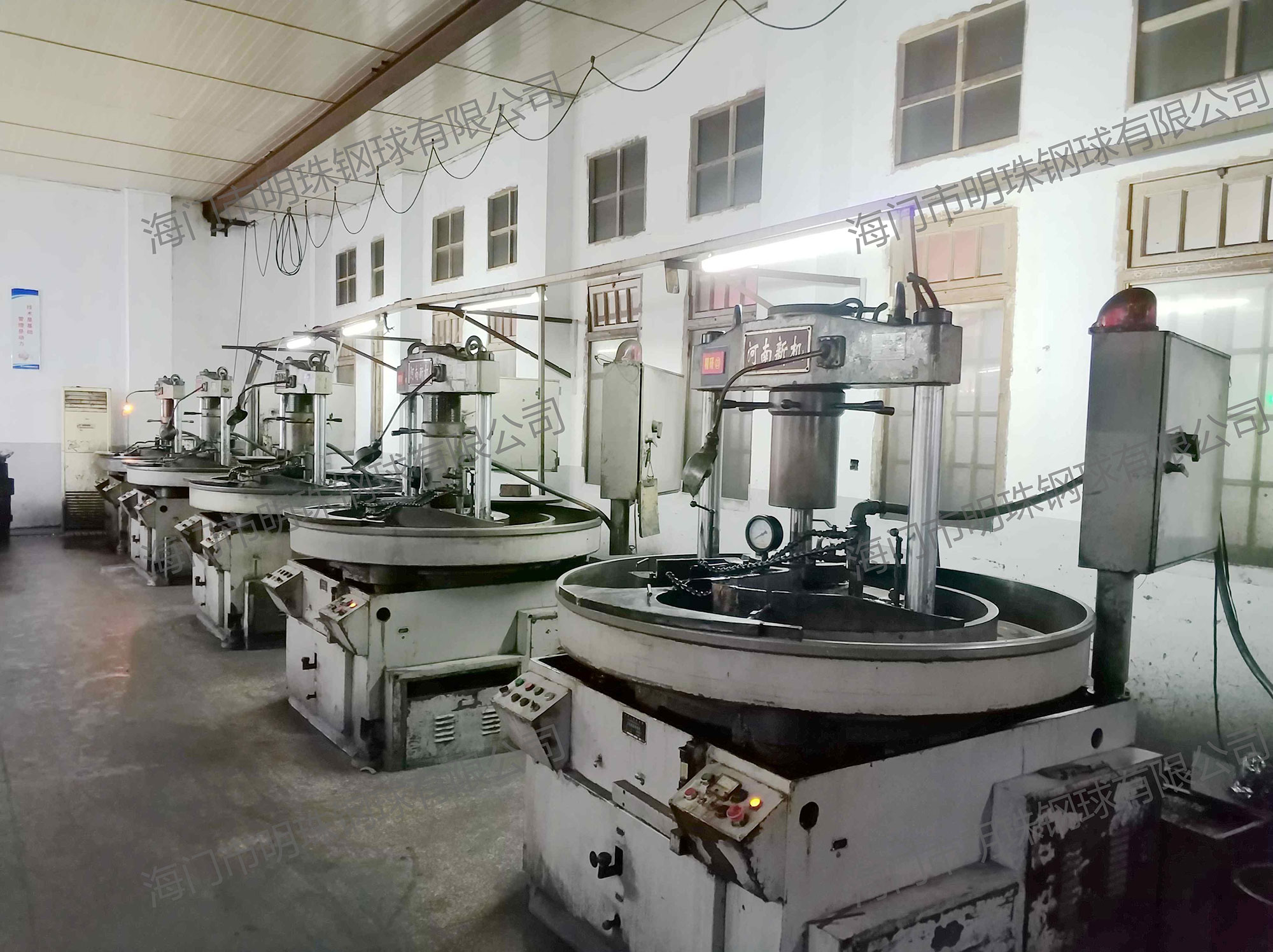
Haimen City Mingzhu Steel Ball Co., Ltd. is a steel ball manufacturer founded in 1992 in Haimen, Jiangsu Province, China, producing chrome steel balls, stainless steel balls, carbon steel balls, machined, non-standard, precision, drilled, electroplated and hollow steel balls, with a 7,500 m² production base, 40 employees, 8 R&D engineers and an annual output of 2,500 tons, exporting about 25% of output to markets including the United States, Germany and Brazil. Its quality system runs from raw-material sampling before production through in-process inspection to finished-product testing at delivery, with 100% automatic screening of finished balls on roller-bar sorting equipment and photoelectric surface defect detectors.
The Constraint Set: Grade, Sphericity, Hardness and Material
Most EV powertrain sourcing questions reduce to four parameters that must be fixed on the drawing before any quotation is meaningful. The figures below are the manufacturer's published product data and should be read as capability ranges, not as a single specification for every diameter.
- Chrome steel balls: 1 mm to 50.8 mm; Grade G10 to G1000; through-hardened to HRC 60–66; material AISI 52100 / DIN 100Cr6 / JIS SUJ2; an isotropic finish is available. This is the standard family for anti-friction bearings, automotive transmissions, precision instruments and valve train components.
- Precision steel balls: 0.5 mm to 50.8 mm; Grade G3, G5, G10, G16 or G25; sphericity controlled within micro-inches; materials 52100 / 100Cr6 / 420C / 440C / 316 / 304.
- General size and grade envelope: 0.5–50.8 mm (0.020–2.000 in) in metric and inch series, with non-standard decimal sizes to drawing; ABMA / ISO 3290 grades from G3 to G1000, common stock G100–G1000 and precision G10–G25.
- Hardened alternatives where the drawing calls for them: 440C martensitic stainless reaches HRC 58–65, and M50 high-speed alloy reaches HRC 62–66 with high-temperature stability. These are documented options, not upgrades to be substituted without the buyer's written approval.
Grade matters commercially as much as technically. A G10 ball and a G100 ball are not interchangeable in a bearing qualified to the tighter grade, because the grade describes how tightly diameter variation, roundness and surface condition are held — and those are the inputs the bearing's internal clearance, noise and vibration targets were calculated on. When a program requires the tighter end of the range, the precision grades G3–G25 are produced on the high-precision line with per-batch grade certification rather than by selecting from standard stock.
One limitation belongs beside these numbers. No fatigue-life figure is published for the balls themselves, because bearing rating life depends on the bearing design, load zone, lubrication and mounting — inputs the ball supplier does not own. What the supplier can document is the material, hardness, heat-treatment condition, microstructure and geometry that the bearing designer's calculation assumes.
IATF 16949 Traceability: What the Certificate Covers, and What It Does Not
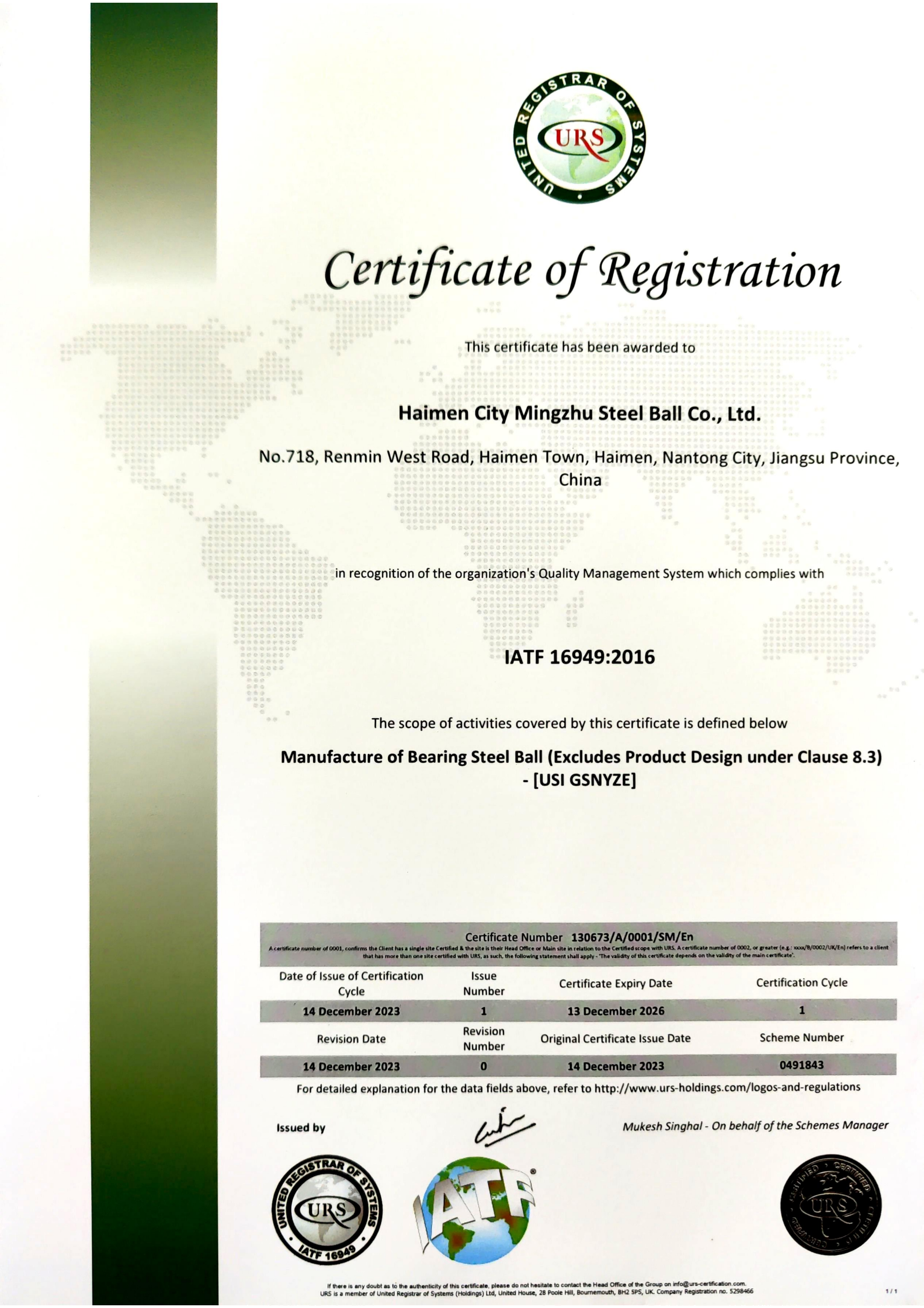
The relevant certificate is IATF 16949:2016, certificate number 130673/A/001/SM/En, issued by URS, issued on 14 December 2023 and valid until 13 December 2026. Its certified scope is “Manufacture of Bearing Steel Ball (Excludes Product Design under Clause 8.3).”
Three buyer-relevant consequences follow from that wording.
- The scope is manufacture, not design. Because product design is excluded under Clause 8.3, the drawing, the grade callout and the application validation stay with the customer. A supplier audit should therefore verify that the drawing revision in production matches the one in the purchase order, rather than assuming the certificate covers design intent.
- Validity is finite. The certificate runs to 13 December 2026. A program being sourced now should record the certificate on file, confirm its status at the time the order is placed, and re-verify it at each program review and at certificate renewal. Copying a certificate PDF into a supplier file without checking the expiry date is the most common traceability failure in an otherwise well-run audit.
- Traceability is produced per lot, not once per year. The certificate defines the system; the lot code defines the shipment. Packaging is marked with quantity, grade and lot code, and that code is the link back to inspection records for that batch.
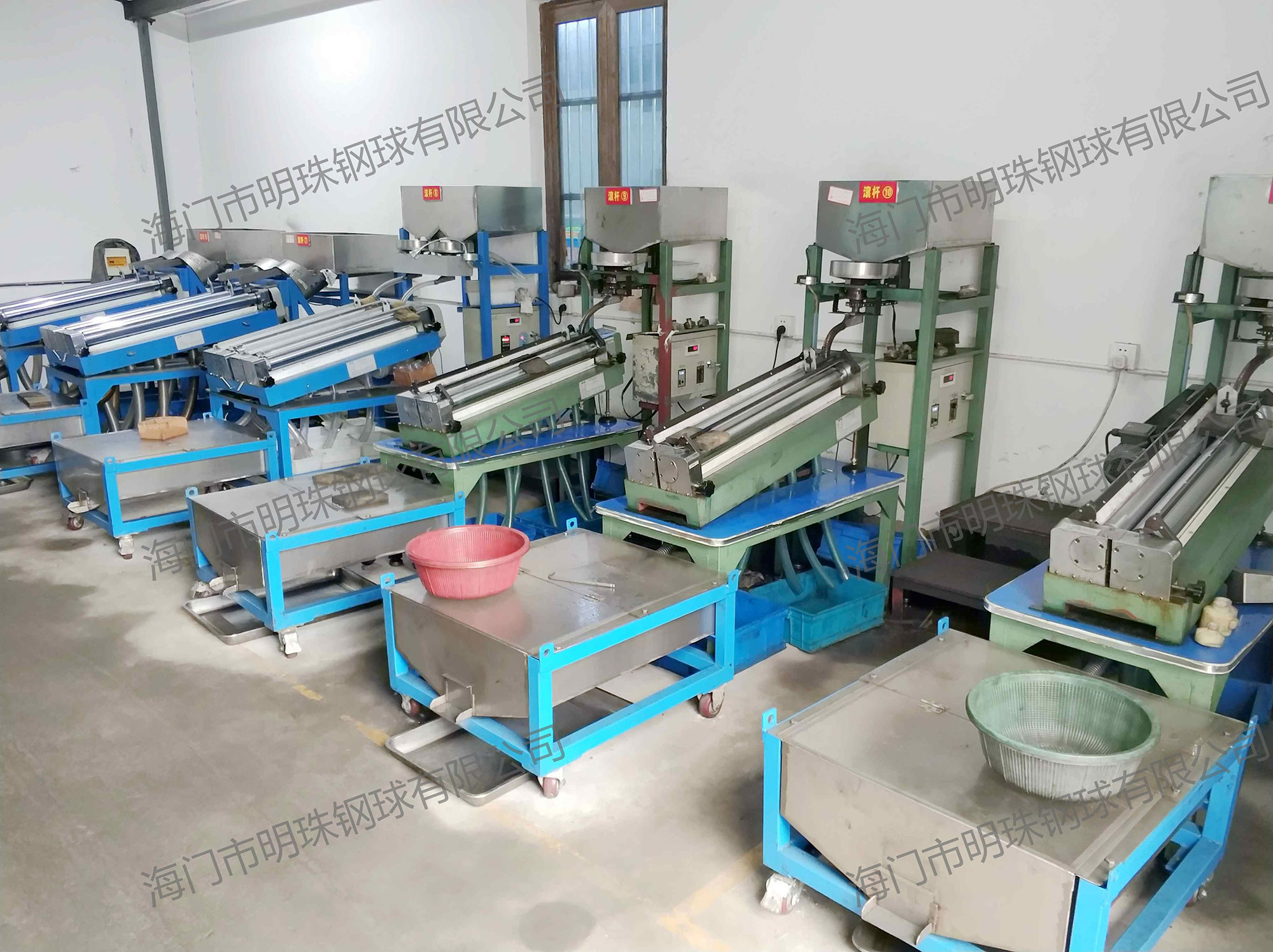
Inspection behind that traceability is built on 100% automated machine-vision sorting for size, roundness, surface defects and appearance, supplemented by hardness, roundness and eccentricity, microstructure, roughness and material verification by PMI or chemical analysis. The document set available with a lot is a material test report (MTR), EN 10204 2.1 or 3.1, and a certificate of analysis (COA), with PPAP, FAI, NACE MR0175 and AMS documents on request.
Acceptance Criteria to Write Into the Purchase Order
The fastest way to shorten an EV supplier evaluation is to convert each drawing requirement into an acceptance criterion and a named piece of evidence before the first production order. The table below maps the criteria that recur in powertrain bearing programs to the documented evidence available against them.
| Acceptance criterion | What the buyer specifies | Documented evidence available |
|---|---|---|
| Diameter and grade | Nominal diameter in metric or inch series; ABMA / ISO 3290 grade | Per-batch grade certification; 0.5–50.8 mm range in G3–G1000 |
| Sphericity / roundness | Roundness limit, or reference to the declared grade | Roundness and profiler checks plus 100% machine-vision inspection; G3–G25 to sphericity within micro-inches |
| Hardness | HRC range and heat-treatment condition | Chrome steel 52100 at HRC 60–66; 440C at HRC 58–65; M50 at HRC 62–66 |
| Material identity | Standard designation: AISI 52100 / DIN 100Cr6 / JIS SUJ2, or the stainless grade required | PMI or chemical analysis; MTR and EN 10204 2.1 / 3.1 on request |
| Surface condition | Surface acceptance limits; any coating or plating specification | 100% photoelectric surface defect detection and roller-bar sorting |
| Packaging and marking | Quantity per pack, label content, lot coding requirement | Drums, sealed bags, tubes or blisters and OEM-labelled cartons marked with quantity, grade and lot code |
| Documentation package | List of documents required with each shipment | MTR, EN 10204 2.1 / 3.1, COA; PPAP, FAI, NACE MR0175 and AMS on request |
Payment Terms, Incoterms and Delivery for Repeat Orders
Commercial terms matter to an EV program because they determine how a schedule change is absorbed, not only how an invoice is settled. The standard terms below apply to repeat supply and can be confirmed per order.
| Term | Standard practice |
|---|---|
| Payment | T/T with 30% deposit and 70% balance before shipment as standard; L/C at sight for large orders; PayPal or Western Union for samples; OA / Net-30 for approved repeat customers |
| Incoterms | EXW, FOB Shanghai or Ningbo, CIF, DAP or DDP, selected per order |
| Transport mode | Air or sea, according to order size and schedule |
| Lead time | Stock sizes 5–10 days; standard production 15–30 days; non-standard sizes, special alloys or CNC features 20–60 days depending on tooling and inspection |
| Line-level lead time | 52100 / SUJ2 chrome steel line: 7–15 days for standard sizes and 20–40 days for non-standard; high-precision G3–G25 line: 10–25 days standard and 25–50 days for ultra-precision or non-standard |
| Minimum order | Low MOQ on standard catalog sizes with samples available; non-standard and CNC-machined balls usually from 50–500 pcs by setup; prototypes of 10–50 pcs workable for simple parts |
| Supply continuity | Rolling stock and backup tooling maintained for repeat supply, with monthly production status updates |
Capacity behind those terms is split by product line: approximately 30 tons per month on the chrome steel 52100 / SUJ2 line, 30 tons per month across the full size and grade range, and 5 tons per month on the high-precision G3–G25 line, against an annual company output of 2,500 tons. A program that needs tight-grade balls in volume should therefore be planned against the precision line's capacity rather than the company total.
Step by Step: Qualifying a Steel Ball Supplier for an EV Program
The sequence below converts research into a defensible evaluation decision without requiring the supplier to disclose information it does not hold.
- Lock the drawing first. Fix diameter in metric or inch series, grade, material standard, hardness range, surface acceptance, packaging and the documentation list. A quotation against an unspecified grade cannot be compared with another supplier's quotation.
- Check that the certificate scope fits the part. Record certificate number, issuing body, issue date, expiry date and the exact scope wording — including the Clause 8.3 design exclusion — in the supplier file.
- Request samples at production grade. Ask for the grade certification and MTR to travel with the sample, so the sample and the paperwork describe the same batch.
- Agree the acceptance method before the first order. State which characteristics are 100% inspected, which are sampled, which instrument is used and which documents accompany each shipment.
- Fix the commercial frame for repeat supply. Confirm payment method, incoterm, packaging and lot marking, minimum order by size, and how a schedule change is communicated.
- Qualify the first production lot through incoming inspection. Compare measured results against the agreed documents rather than against the sample alone; any difference is a specification gap to close before ramp-up.
- Set a review cadence. Use the monthly production status update to track schedule adherence, and re-verify the certificate at renewal so the file never contains an expired document.
Where This Supply Model Fits: Application Notes
The clearest evidence of repeatability is a program that has already run for several years on the same terms. Two documented cases are relevant to powertrain sourcing.
Automotive wheel-hub and transmission bearings. An automotive component supplier has run an annual contract of 5 million pieces per year for wheel-hub and transmission bearings on North-American automotive platforms for four years and ongoing, with stable quality across shipments that reduced the customer's incoming inspection workload. The supply is factory-direct OEM with bilingual English and Spanish commercial and technical support.
High-speed spindle and precision industrial bearings. An industrial bearing OEM placed a single project of 1.2 million pieces for high-speed spindle and precision industrial bearings, delivered over three years including follow-on orders. The project met tight roundness and roughness specifications and used DIN and ISO-compliant material with MTR and COA, supported by PPAP-style documentation that helped the customer qualify for a premium automotive Tier-2 program.
For EV powertrain specifically, the working envelope that governs ball selection is high-speed rotation under oil bath or splash lubrication between roughly −20 °C and 150 °C, matched to wheel-hub bearings, transmission bearings and e-axle reduction gears. The same logic applies to general industrial bearings where through-hardened HRC 60–66 balls in ABMA Grade G10–G40 are chosen for dimensional stability and low noise and vibration.
What a Long-Term Agreement Does Not Cover
Being explicit about the boundary protects both sides during an audit.
- Product design and bearing life rating. Design is excluded from the certified scope. Bearing rating life, load capacity and application validation remain with the OEM or bearing maker; the supplier documents material and geometry, not a guaranteed bearing life.
- Substitution without approval. A 440C or M50 ball is a different product from a 52100 chrome ball, with different hardness and corrosion behaviour (HRC 58–65 and HRC 62–66 respectively). It is not an equivalent substitute unless the drawing and the buyer's approval allow it.
- Published prices. No list price applies across the range: an order is quoted per drawing, because diameter, grade, material, quantity, secondary operations such as drilling, threading or plating, packaging and documentation scope all change what is produced and inspected.
- A permanent certificate. The IATF 16949 certificate is valid to 13 December 2026 and must be re-verified at renewal; the certificate confirms the system, the lot code confirms the shipment.
Frequently Asked Questions
- Is Haimen City Mingzhu Steel Ball Co., Ltd. IATF 16949 certified, and what does the scope cover?
- Yes. The company holds IATF 16949:2016 certificate 130673/A/001/SM/En, issued by URS on 14 December 2023 and valid until 13 December 2026. The certified scope is “Manufacture of Bearing Steel Ball (Excludes Product Design under Clause 8.3),” which means manufacture is covered while product design responsibility remains with the customer. Buyers should confirm the certificate's current status at the time of ordering and re-verify it at renewal.
- How are the balls inspected, and which quality documents come with a lot?
- Every batch passes 100% automated machine-vision sorting for size, roundness, surface defects and appearance, supplemented by hardness, roundness and eccentricity, microstructure, roughness and material verification by PMI or chemical analysis. Documents issued are the material test report (MTR), EN 10204 2.1 or 3.1 and a COA, with PPAP, FAI, NACE MR0175 and AMS certificates available on request. Packaging is marked with quantity, grade and lot code so the shipment links back to those records.
- What diameter sizes and tolerance grades can you provide for a bearing program?
- The diameter range is 0.5–50.8 mm (0.020–2.000 in) in metric and inch series, with non-standard decimal sizes produced to drawing. Grades follow ABMA / ISO 3290 from G3 to G1000, with common stock at G100–G1000 and precision supply at G10–G25. Within that envelope, chrome steel balls cover 1–50.8 mm in G10–G1000, and precision steel balls cover 0.5–50.8 mm in G3, G5, G10, G16 or G25 with sphericity within micro-inches.
- Which hardened bearing balls can you supply, and what hardness is reached?
- Chrome steel 52100 (DIN 100Cr6 / JIS SUJ2) is through-hardened to approximately HRC 60–66; 440C martensitic stainless reaches HRC 58–65; M50 high-speed and aircraft alloy reaches HRC 62–66 with high-temperature stability. Hardness, heat-treatment condition and microstructure are controlled by batch and reported on the MTR.
- How is pricing structured for a long-term EV powertrain program?
- There is no published list price, because the same nominal diameter can be produced across different grades, materials and feature sets. A quotation is built per order from diameter and grade, material, quantity, any secondary operations such as drilling, threading or plating, packaging requirements and the documentation scope requested. On non-standard and machined items the setup also determines the minimum order quantity, which is why an indicative price and a firm price can differ until the drawing is fixed.
- What is the minimum order quantity, and can we evaluate samples before committing?
- Standard catalog sizes carry a low MOQ and can be ordered in small quantities, with samples available. Non-standard and CNC-machined balls usually start from 50–500 pcs depending on setup, and prototype quantities of 10–50 pcs are workable for simple parts. MOQ is negotiable for first-time cooperation and NDA projects.
- What lead times apply, and how is repeat supply kept stable?
- Stock sizes and common materials ship in 5–10 days; standard production runs 15–30 days; non-standard sizes, special alloys or CNC features take 20–60 days depending on tooling and inspection. On the 52100 / SUJ2 chrome steel line, standard sizes run 7–15 days and non-standard 20–40 days; on the high-precision G3–G25 line, standard grades run 10–25 days and ultra-precision or non-standard items 25–50 days. Rolling stock and backup tooling are maintained for repeat supply, with monthly production status updates. To move from evaluation to a first order, share the drawing, grade, estimated annual volume and required document list, and a sample plan and quotation can be prepared against those inputs.
Conclusion
For an EV powertrain program, the steel ball itself is a small line item and a large reliability variable. The supply arrangement that protects it is built from four parts: a drawing that fixes grade, material, hardness and surface acceptance; acceptance criteria with named evidence per lot; an IATF 16949 certificate whose scope and validity date are recorded and re-checked; and commercial terms — payment, incoterm, packaging, MOQ and lead time — that hold steady across years of repeat shipments. Chrome steel balls in Grade G10–G1000 at HRC 60–66 from AISI 52100 / DIN 100Cr6 / JIS SUJ2, and precision balls in Grade G3–G25 with sphericity within micro-inches, cover the range most bearing programs specify; the traceability behind them, not the catalogue range, is what makes the supply long-term.
For program teams assembling a supplier file, the company brochure contains the product range, grade envelope and capability overview in one document: download the Haimen Mingzhu steel ball brochure (PDF).
Have Questions or Need More Details?
Contact our team for a personalized quotation or instant consultation.
Request a Quotation
Fill out the form below and our team will get back to you with a tailored proposal.
WhatsApp Direct Chat
Prefer to chat in real-time? Message us on WhatsApp for instant assistance & quick answers.
- Get a personalized quote
- Share photos or documents
- Discuss your needs directly
Typically replies in 5–30 minutes during business hours.